
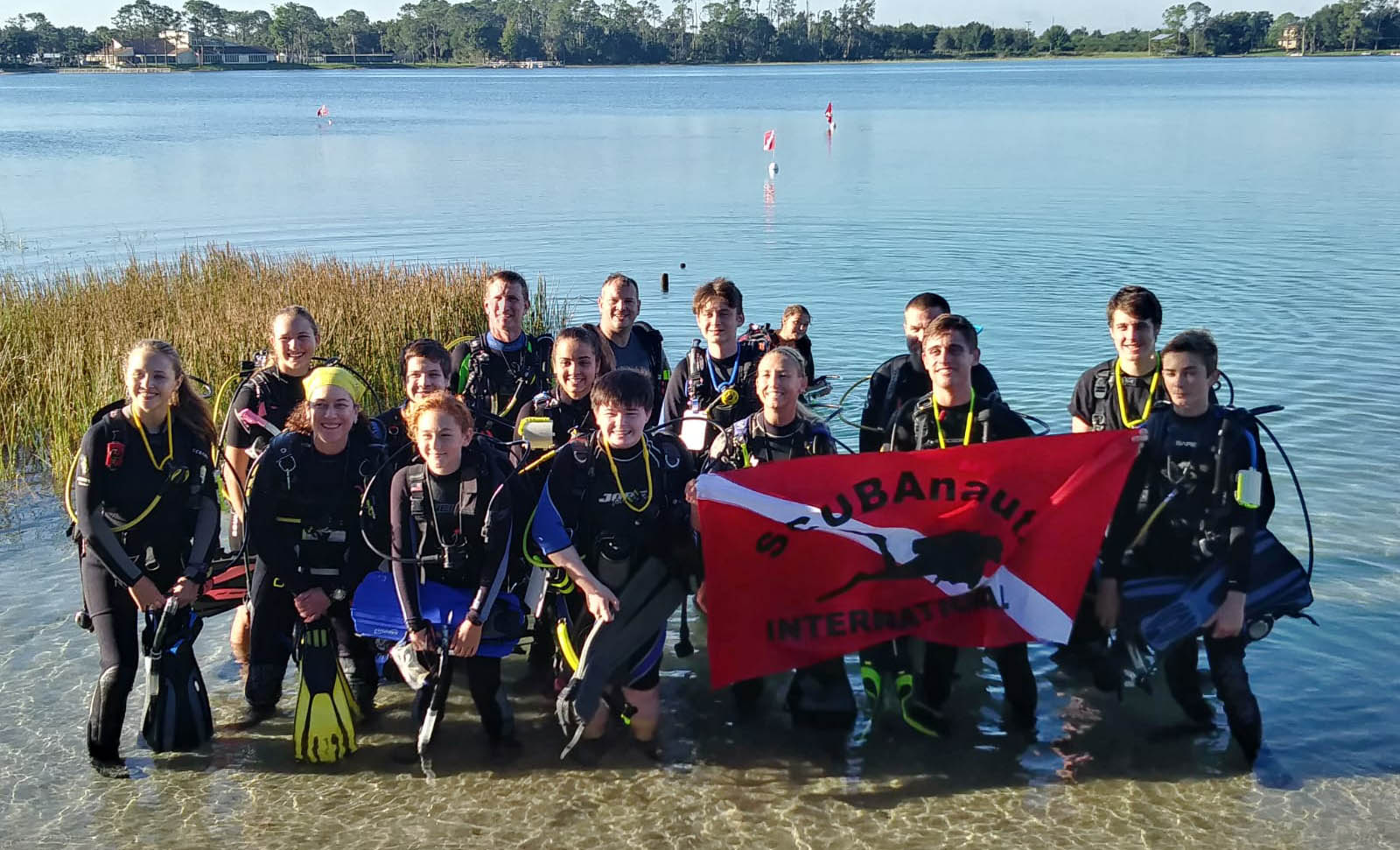
The mission of SCUBAnauts International is to educate teens in the marine sciences, enabling them to make a positive impact on the environment and empowering them to become tomorrow’s leaders.
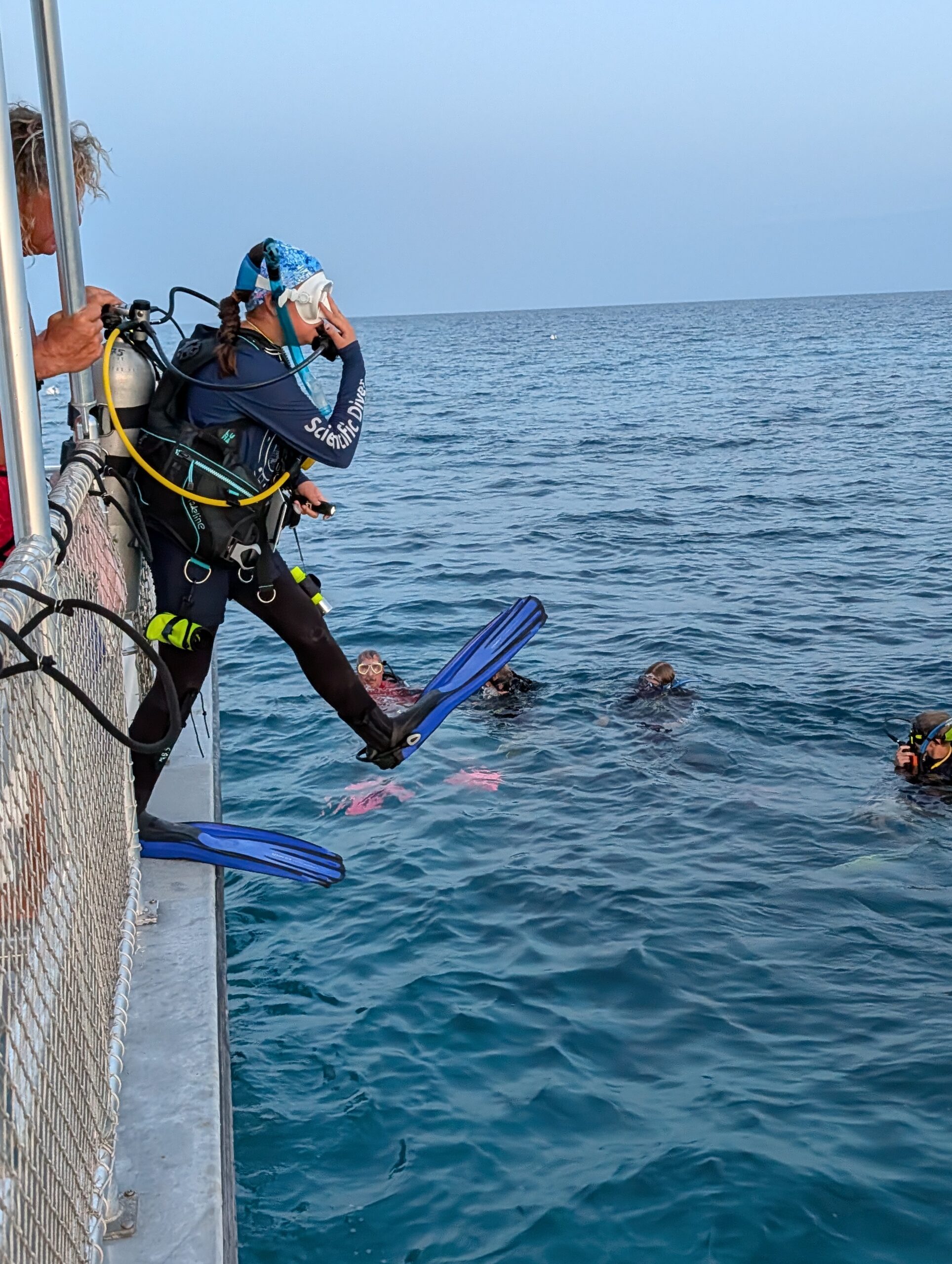
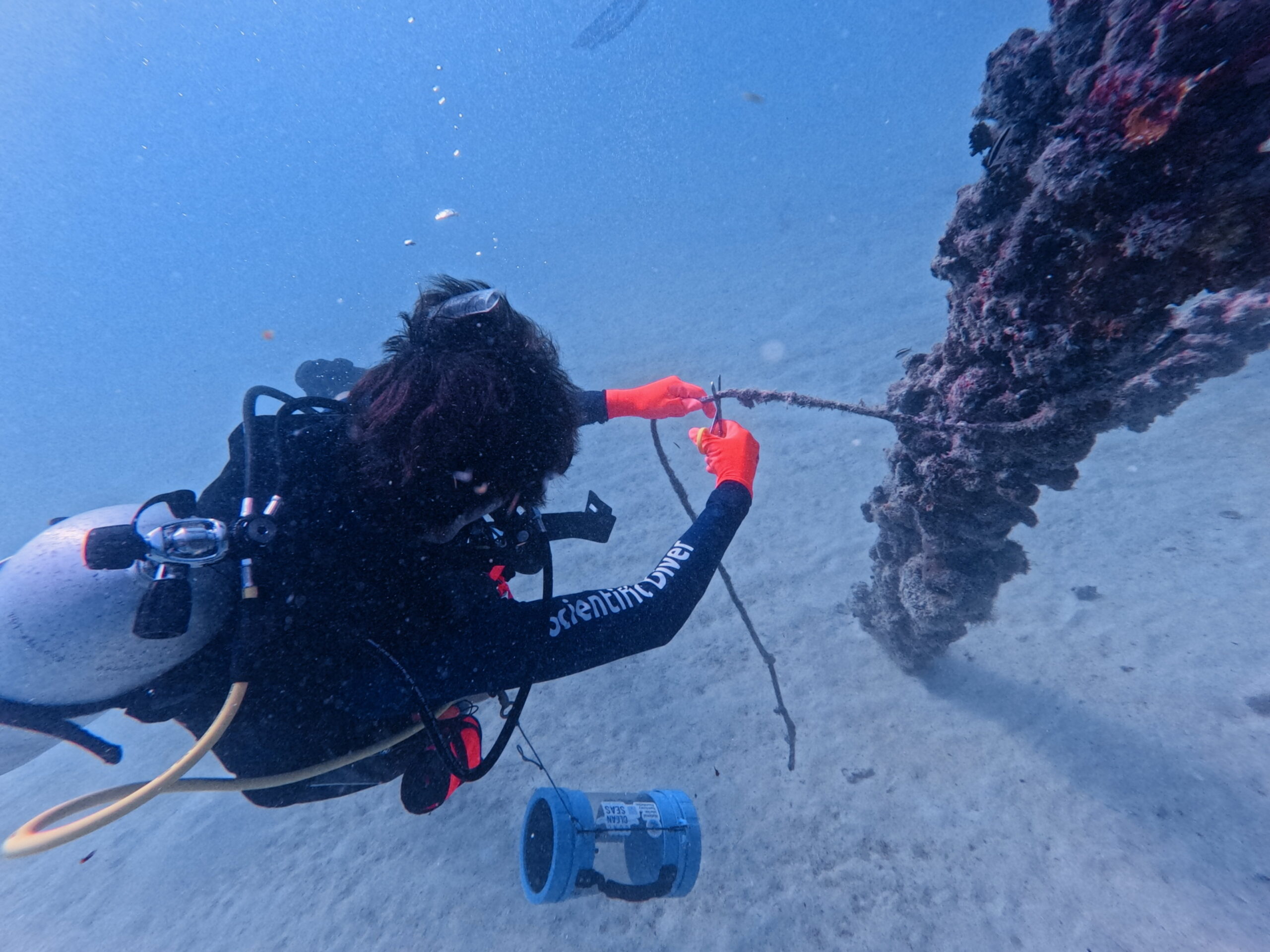
SCUBAnauts Gallery

SCUBAnauts Blog
Capitol Hill Ocean Week
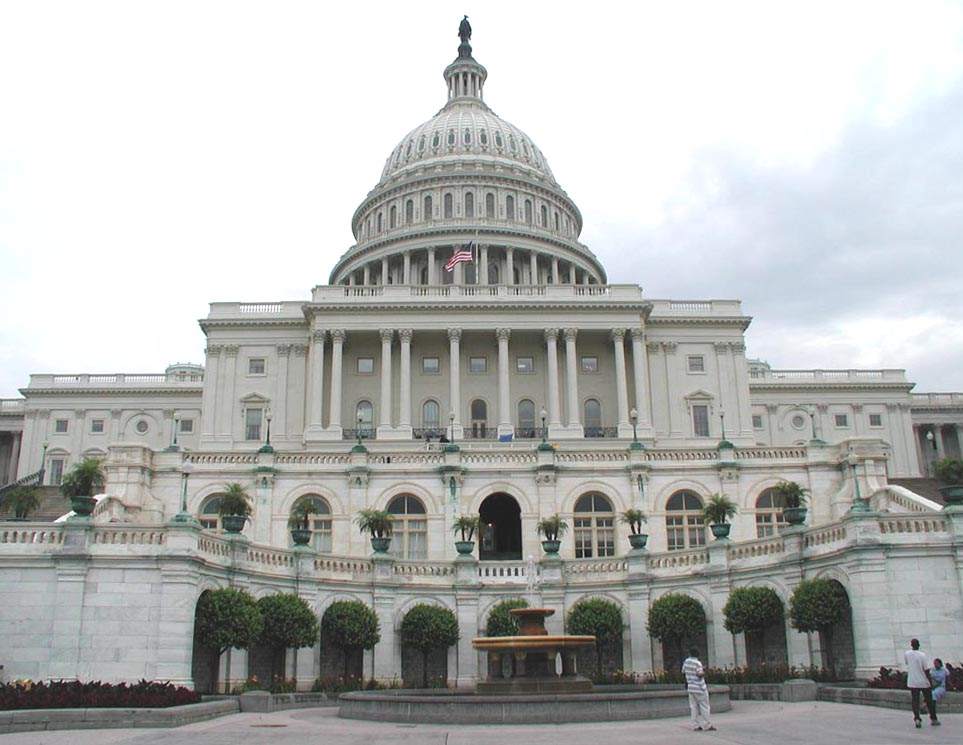
The SCUBAnauts took over Washington D.C. while visiting for Capitol Hill Ocean Week! The first night of the trip was spent conversing with Craig McLean of NOAA Office of Oceanic and Atmospheric Research, as well as with Dr. Jane Lubcheno, the 1st Woman and 1st Diver...
“Feeding the Nation: National Security and American Seafood”
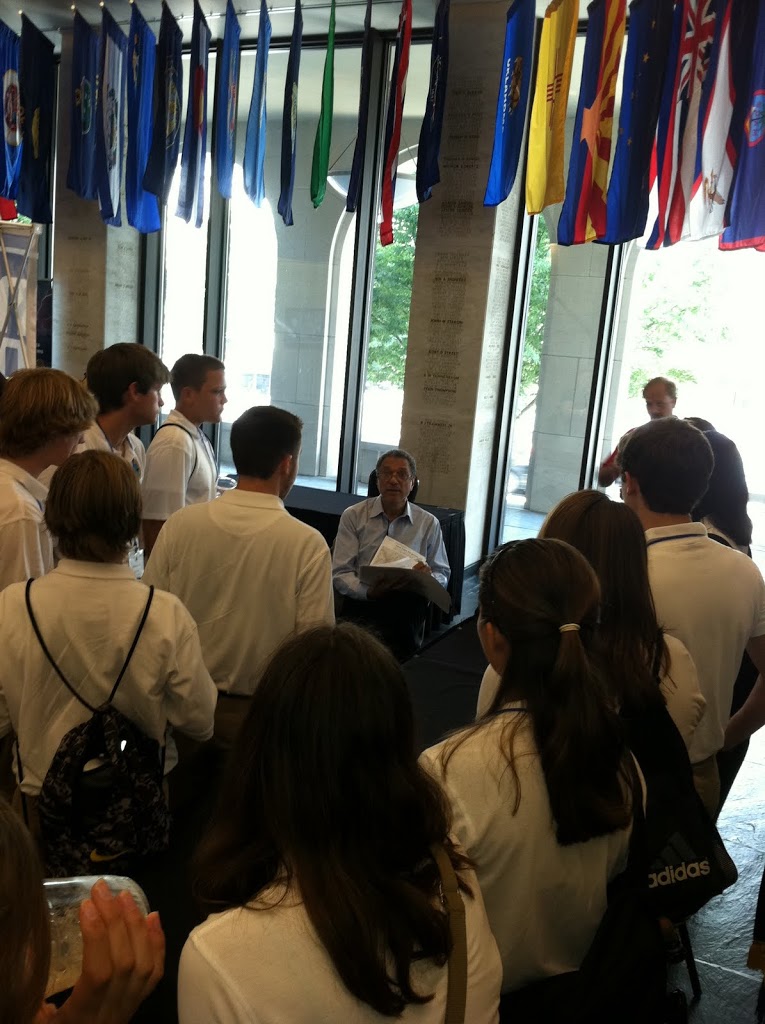
As a part of Capitol Hill Ocean Week, the SCUBAnauts attended “Feeding the Nation: National Security and American Seafood,” a panel discussing overfishing, where they became enlightened with the discussion, debate, and panel perspectives on the potential and current...
The SCUBAnauts Meet Author Alanna Mitchell
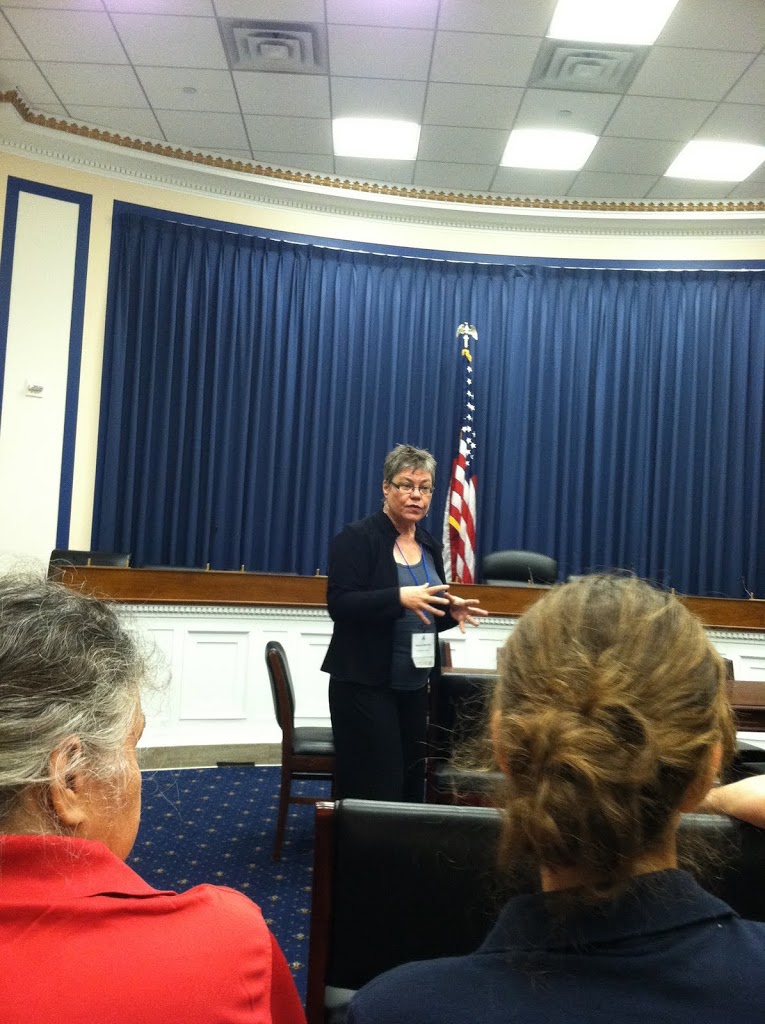
Alanna Mitchell, the “best environmental journalist in the world” (IUCN; Reuters foundation), and strong advocate for global science issues, shared conversation and knowledge with the SCUBAnauts during Capitol Hill Ocean Week (CHOW). Mitchell lead an intriguing...
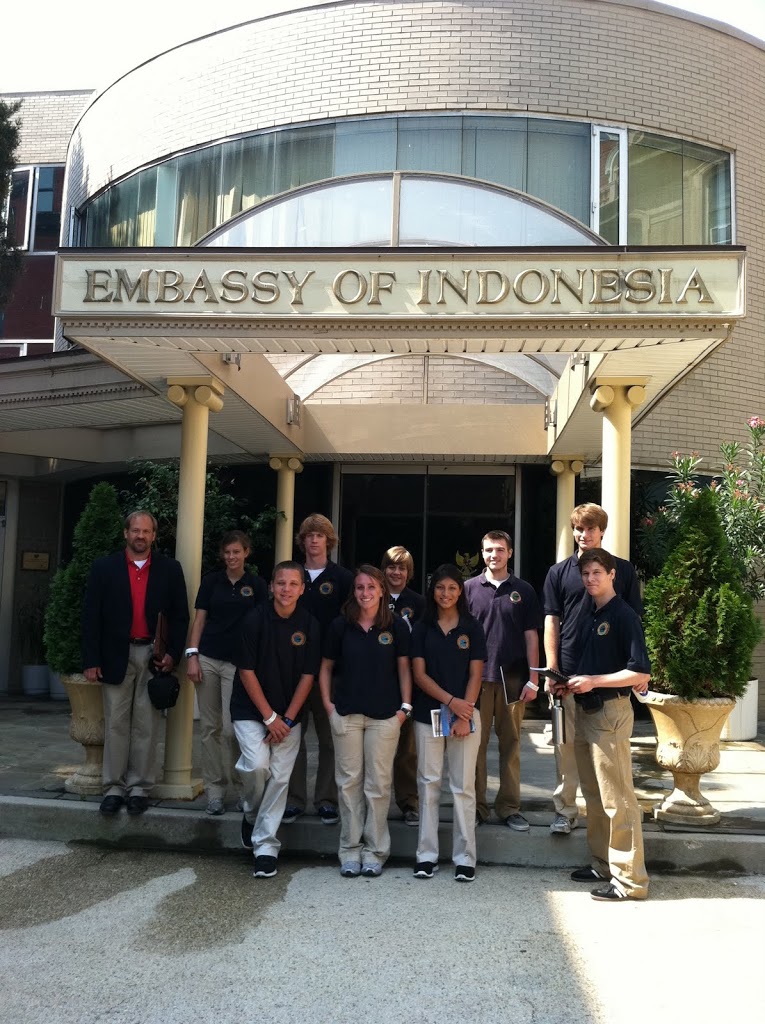
Conversing Abroad with Indonesian and Australian Students
Cultural and physical barriers were overcome when the SCUBAnauts participated in video-conferences with Indonesian and Australian students. The ‘nauts visited the Indonesian Embassy in Washington D.C. and connected with young men and women who also desired to bring...
CHOW Leadership Awards Dinner
The SCUBAnauts were invited to attend the Leadership Awards Dinner; put on by the National Marine Sanctuary Foundation for Capitol Hill Ocean Week in Washington D.C. The ‘nauts enjoyed a sustainable seafood meal while learning about important ocean issues,...
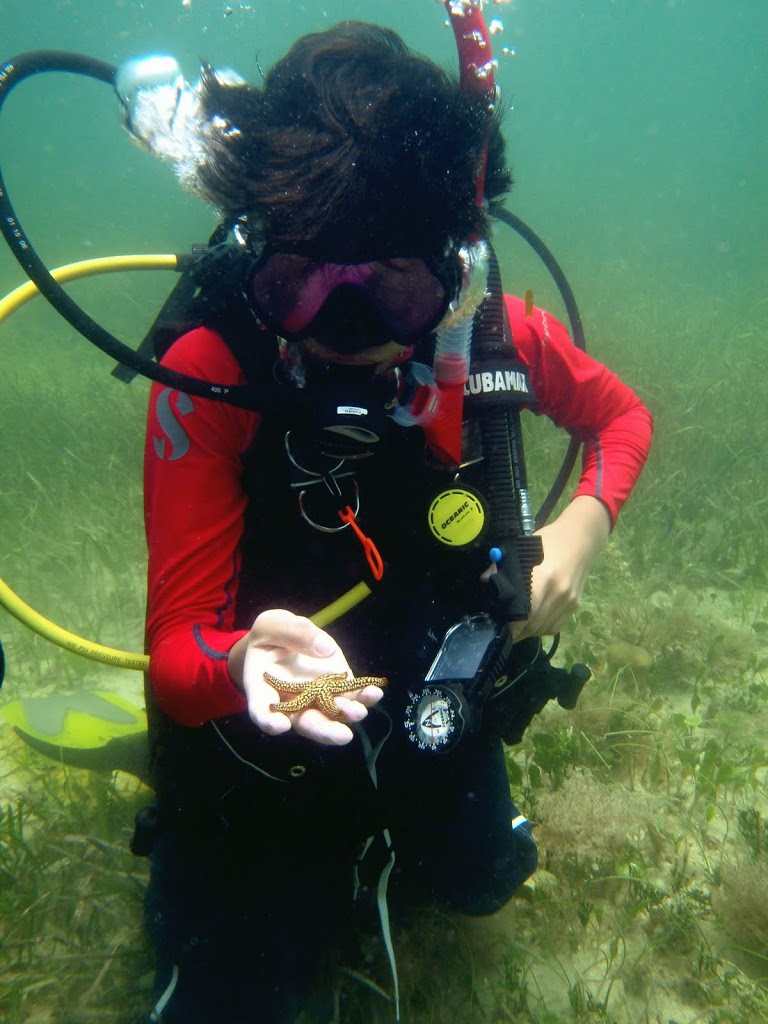
How are you Celebrating World Oceans Day?
The SCUBAnauts love the ocean! In celebration of World Oceans Day (June 8th), the nauts are taking on Washington D.C. for Capitol Hill Ocean Week (CHOW) hosted by the National Marine Sanctuary Foundation. SCUBAnauts will discuss current ocean...
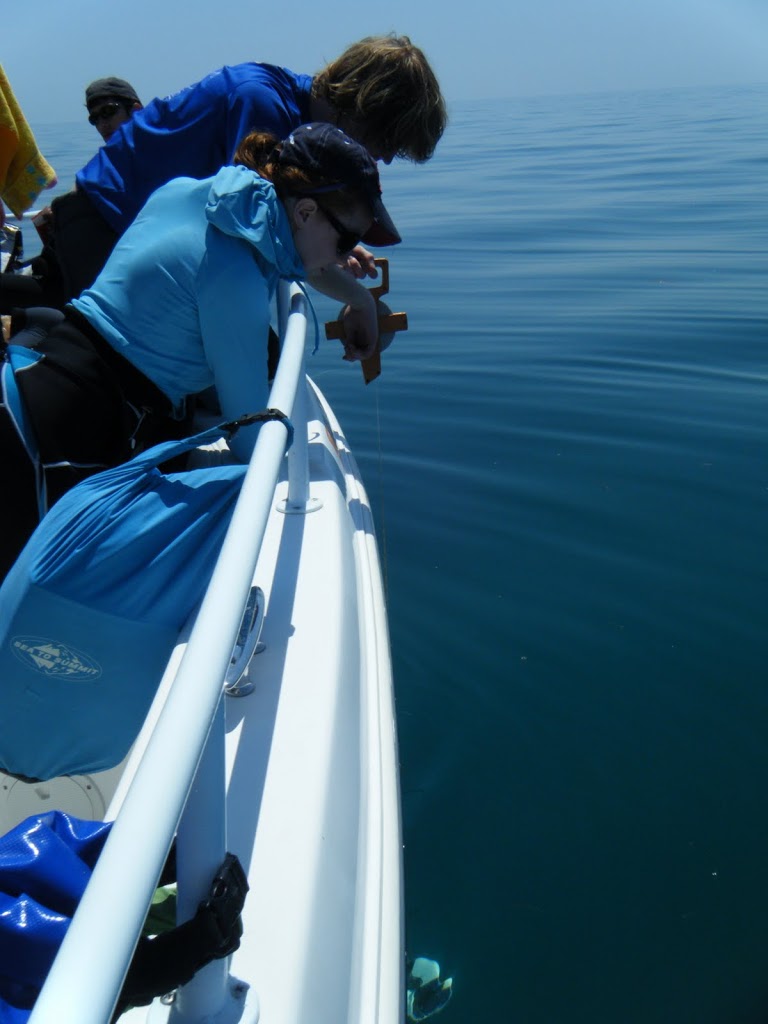
First SNI Dive of the Year
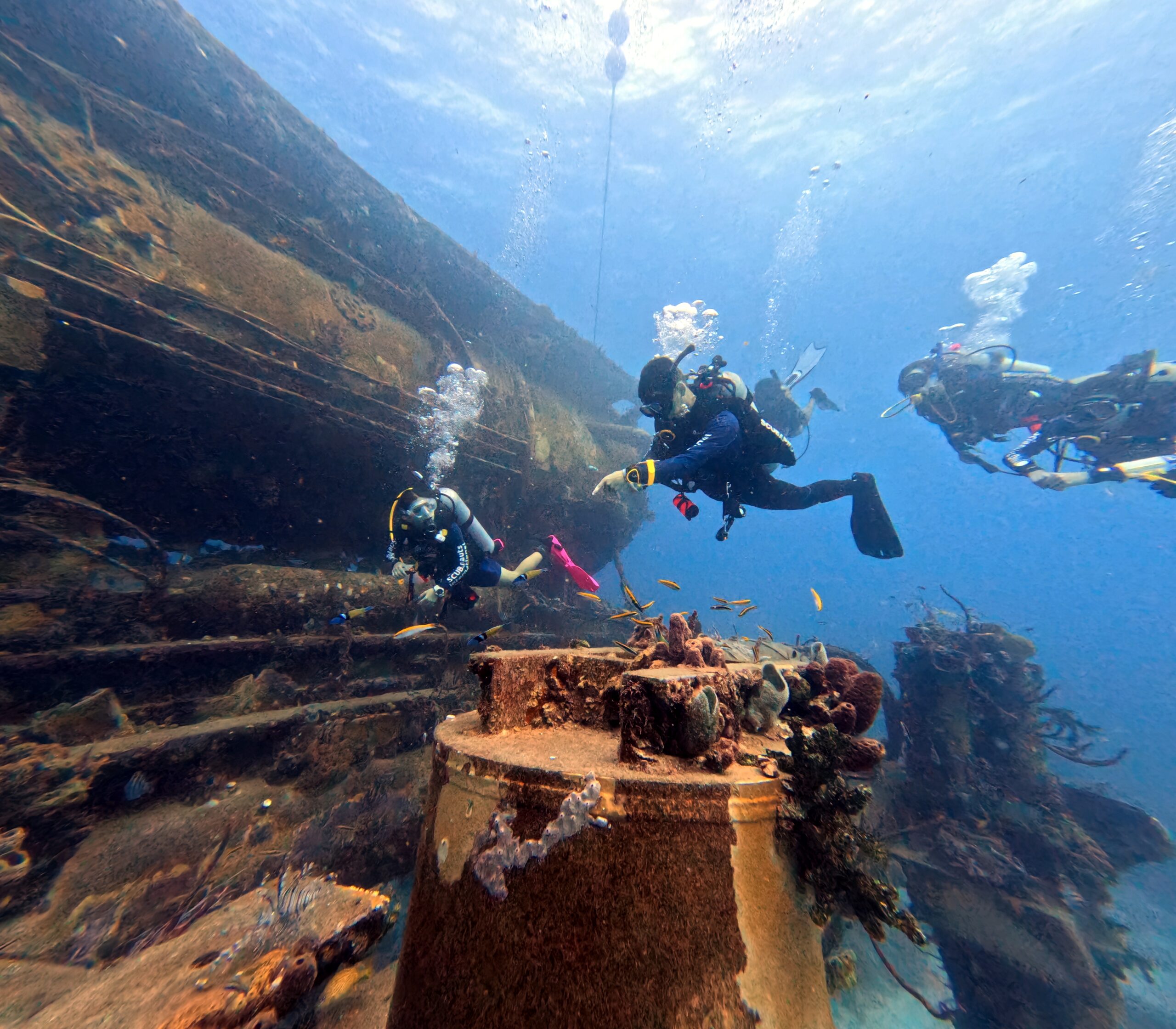
The Tarpon Springs (TS) SCUBAnaut Chapter couldn't have had a more beautiful day for their first dive of the season. As you can see from the pictures, the water was like glass and the visibility was great! We visited two patch reefs: Sofia's Garden and Brooke's...
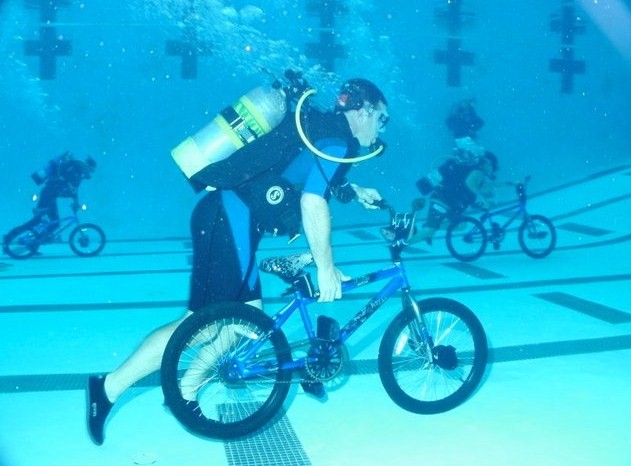
SCUBA Olympics
The SCUBAnauts spent their Sunday participating in the fun-filled SCUBA Olympics, a community event benefiting the special needs swimmers of the Adaptive Swim Team. The Tarpon Springs and St. Petersburg Nauts competed in several judged events including an underwater...
Glover’s Reef Science Projects
Today is our last day on the island, since we leave at 6 am tomorrow in order to catch our plane back to the US. We had to squeeze in our last dive before noon because you should always leave 24 hours in between diving and flying. The excess nitrogen that we inhale...